



What Is the Pentagon Pizza Index?
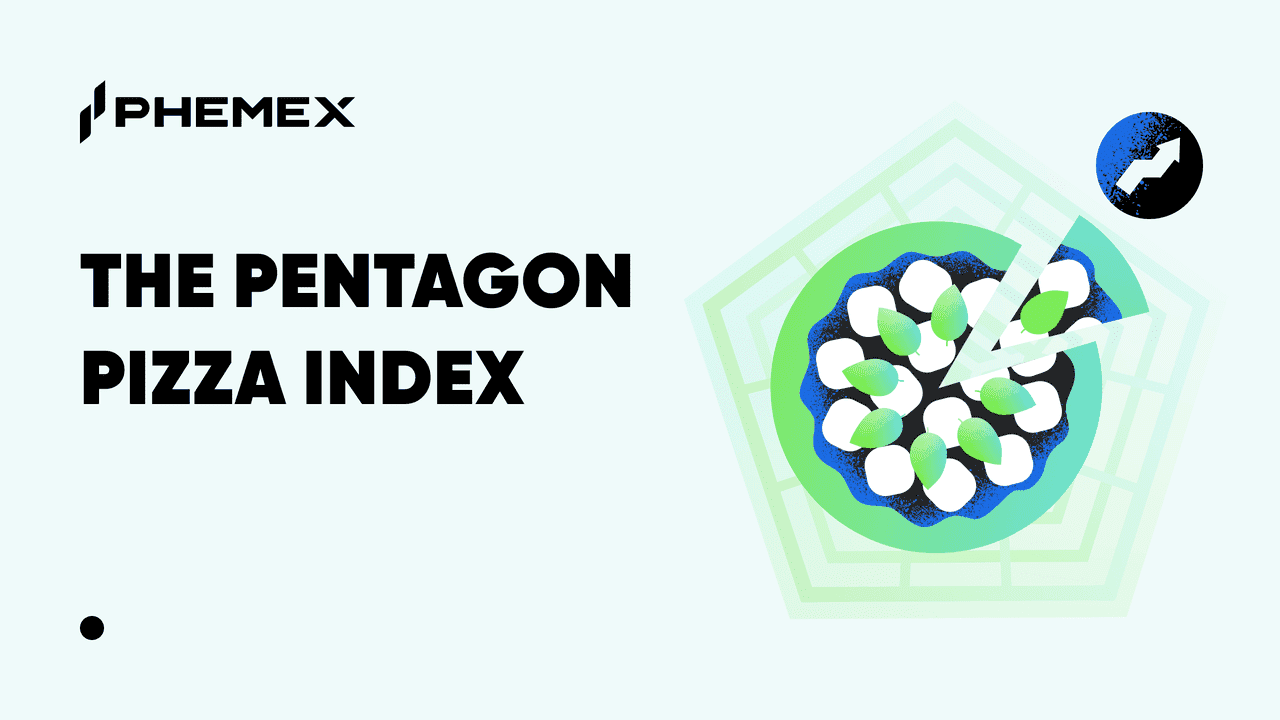
The Pentagon Pizza Index (also called the Pizza Meter) is an open-source intelligence theory suggesting that late-night pizza orders near U.S. government buildings spike before major geopolitical events.
The logic is simple: when Pentagon, CIA, or White House staff work through the night on developing crises, they order food. Pizza deliveries become an observable signal of unusual activity.
Origin Story
The concept traces back to Frank Meeks, a Domino's franchise owner in Washington, D.C. In 1990, he told the Los Angeles Times about a strange pattern he'd noticed:
"On August 1, the CIA ordered a record 21 pizzas in a single night. The next day, Iraq invaded Kuwait."
CNN's Wolf Blitzer famously remarked: "Bottom line for journalists: Always monitor the pizzas."
In August 2024, the phenomenon went digital when the @PenPizzaReport account on X began tracking real-time Google Maps "popular times" data for pizza shops near the Pentagon, turning an old journalist's trick into crowdsourced OSINT.
Historical Track Record
The Pizza Index has preceded multiple major events:
|
Date
|
Pizza Spike
|
Event That Followed
|
|
August 1, 1990
|
Iraq invades Kuwait (Gulf War)
|
|
|
October 1983
|
Unusual late-night orders
|
U.S. invasion of Grenada
|
|
December 1989
|
Pentagon surge
|
U.S. invasion of Panama
|
|
January 1991
|
Spike before Desert Storm
|
Coalition strikes Iraq
|
|
December 1998
|
Operation Desert Fox + Clinton impeachment
|
|
|
April 13, 2024
|
Iran launches drones at Israel
|
|
|
June 12, 2025
|
Israel's Operation Lion strikes Iran
|
|
|
June 22, 2025
|
U.S. strikes Iranian nuclear facilities
|
|
|
January 2-3, 2026
|
U.S. operation captures Maduro in Venezuela
|
|
|
January 5, 2026
|
Ongoing speculation about next target
|
The index isn't foolproof, critics like Zenobia Homan of King's College London point to confirmation bias and the fact that Google Maps data doesn't capture actual delivery volumes. But its persistence over four decades suggests there's signal in the noise.
Why This Matters for Crypto
Geopolitical events create market volatility. For crypto traders, understanding this relationship is essential for risk management.
Bitcoin's Behavior During Crises
Research shows Bitcoin exhibits complex behavior during geopolitical shocks:
|
Event
|
Initial BTC Reaction
|
30-Day Recovery
|
|
Russia-Ukraine War (Feb 2022)
|
-65% (Fed rate hikes)
|
|
|
Israel-Gaza War (Oct 2023)
|
Brief dip to $27K
|
Above pre-crisis within 50 days
|
|
Iran-Israel Strikes (Apr 2024)
|
Stabilized within days
|
|
|
Israel-Iran War (Jun 2025)
|
Strong recovery
|
Key finding: Bitcoin volatility during crises has decreased since 2024. The June 2025 Iran strikes caused only a 4.5% drop, compared to 16%+ swings in 2022. Why? Institutional ETF inflows (averaging $420M daily) now provide a volatility buffer.
The Safe Haven Debate
Academic research is mixed on whether Bitcoin is a true "safe haven" like gold:
-
Short-term: Geopolitical events have positive impacts on Bitcoin yield (brief safe haven)
-
Long-term: Impact is uncertain, approaching zero
-
High-price regimes: Geopolitical shocks increase volatility
-
Low-price regimes: Volatility actually decreases
A 2024 study found that changes in the Geopolitical Risk (GPR) Index have a significant negative effect on Bitcoin returns but a positive effect on price volatility — meaning more uncertainty creates trading opportunities.
]Practical takeaway: Bitcoin behaves as a speculative safe haven — it attracts capital during uncertainty but remains sensitive to broader macro factors like Fed policy.
Trading Geopolitical Volatility
When the Pizza Index spikes, markets often move before official news breaks. Here's how to prepare:
1. Use Conditional Orders
Don't try to predict direction — prepare for both.
OCO (One-Cancels-Other) Orders let you set:
-
A buy order above current price (breakout)
-
A sell order below current price (breakdown)
When one triggers, the other cancels automatically. You're positioned for the move without guessing which way.
2. Size Appropriately
Geopolitical events can cause 5-10% swings within hours. Standard position sizing rules apply:
-
Risk no more than 1-2% of capital per trade
-
Use stop-losses religiously
-
Reduce leverage during high-uncertainty periods
3. Consider Grid Bots for Volatility
If you expect choppy, range-bound volatility (common during prolonged tensions), Grid Trading bots can automate "buy low, sell high" across price ranges.
-
Spot Grid: No leverage, accumulate during dips
-
Futures Grid: Long/Short/Neutral modes for directional bias
What the January 2026 Spike Suggests
The 1,250% Pizza Index surge on January 5, 2026 (following the Venezuela operation) has sparked speculation about potential next targets:
-
Cuba: 2% probability by end of January, 20% by year-end (prediction markets)
-
Colombia: 3% by end of January, 15% by year-end
-
Iran: Ongoing tensions after 2025 strikes
The Geopolitical Risk (GPR) Index currently sits around 158 and trending upward.
For traders, this means:
-
Elevated volatility likely to persist through Q1 2026
-
Event-driven opportunities in both directions
-
Risk management is non-negotiable
Practical Playbook
If the Pizza Index Spikes Again:
-
Don't panic. Wait for confirmation before taking positions.
-
Set OCO orders to capture the move in either direction.
-
Reduce leverage until volatility normalizes.
-
Watch BTC correlation — if it's tracking equities, macro sentiment matters more than the event itself.
-
Have stablecoins ready to deploy on sharp dips.
Tools You'll Need:
|
Tool
|
Purpose
|
|
Futures Trading
|
Hedge spot holdings or trade volatility
|
|
OCO Orders
|
Automated breakout/breakdown positioning
|
|
Grid Bots
|
Profit from range-bound volatility
|
|
Stop-Loss Orders
|
Protect capital during sudden moves
|
Conclusion
The Pentagon Pizza Index is part indicator, part meme, and part cultural phenomenon. But for traders who pay attention to geopolitics, it's a reminder that markets move before headlines.
Bitcoin's relationship with geopolitical risk continues to evolve. Institutional adoption has dampened short-term volatility, but opportunities remain for those who understand the dynamics.
The next time pizza orders spike near the Pentagon, you'll know what it might mean, and more importantly, how to position for it.