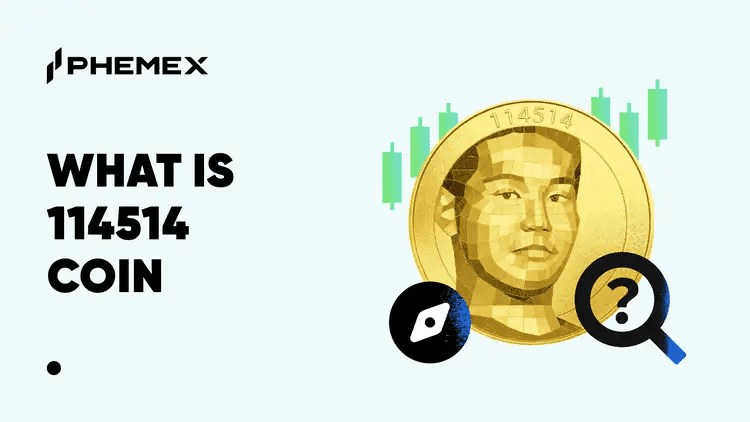
On January 5, 2026, a trader turned $321 into $2.18 million in 11 days. The asset? A Solana-based meme coin named after a Japanese internet joke most Western traders had never heard of.
114514 Coin briefly hit a $40 million market cap before crashing over 90%. But the story isn't about one token's rise and fall — it's about how cultural resonance, timing, and crowd psychology combine to create explosive price action in crypto markets.
This article explains what 114514 actually means, why it pumped, and how meme coin psychology works.
What Is 114514 Coin?
114514 is a meme coin launched on Solana via pump.fun on December 25, 2025. The token has approximately 999.79 million tokens in circulation, with no staking mechanism, no whitepaper, and no technical roadmap.
The project's only product is a companion iOS app offering real-time price tracking and a prediction mini-game where users guess price direction.
So why did millions of dollars flow into it?
The Meme Behind the Number
The number sequence "114514" uses goroawase, a Japanese wordplay system that assigns phonetic sounds to numbers. Read in Japanese, 1-1-4-5-1-4 sounds like "ii yo, koi yo" (いいよ、こいよ), which translates roughly to "Yeah, come on!" or "Okay, bring it!"
The phrase originated from a 2001 Japanese adult film featuring a character nicknamed "Yajuu Senpai" (Beast Senpai). When clips appeared on Nico Nico Douga (Japan's YouTube equivalent) in 2007, the meme went viral. Over the following 15+ years, 114514 became embedded in Japanese and Chinese internet culture, remixed into millions of videos, forum posts, and social media comments.
One analysis described it as "the background radiation of the Asian web." By December 2025, the meme had a built-in audience of millions who already shared the inside joke.
Why Did 114514 Coin Surge?
Several factors aligned to create the 5,000%+ pump:
Pre-existing cultural recognition. Unlike most meme coins that need to build awareness from zero, 114514 already had millions of people who recognized the reference. The existing community provided instant liquidity and social momentum.
Japan's crypto policy shift. The Japanese government designated 2026 as its "digital year," signaling potential crypto tax reforms (rates had previously reached 55%). This policy shift drew domestic capital back into crypto markets, with Japanese retail investors seeking culturally resonant assets.
Pump.fun accessibility. The platform made token launches trivially easy, and Solana's low fees and fast transactions enabled rapid speculative trading.
Social media catalyst. Community sources suggest a Japanese YouTuber mentioned the token during a livestream, triggering rapid shares and FOMO buying.
The price later crashed over 90% from peak — a pattern common to meme coins once initial momentum fades.
Meme Coin Psychology: Why People Buy
114514 follows behavioral patterns observed across the meme coin sector, which exceeded $120 billion in total market cap during 2025. Understanding these patterns helps explain both the explosive gains and devastating losses.
FOMO dominates decision-making. When traders see screenshots of 100x returns, the urge to participate overrides rational analysis. A 2024 study found that herding behavior in crypto markets matches traditional finance in intensity.
Social validation creates stickiness. Holding a meme coin becomes identity signaling — a way to show membership in a community that "gets the joke." This emotional attachment keeps investors holding through drawdowns that would trigger selling in other assets.
Attention equals price. Meme coins have no revenue, no technology roadmap, and no intrinsic value beyond community belief. Academic analysis has shown direct correlation between social media mentions and price volatility. When Twitter engagement spikes, prices follow. When sentiment crashes, so does the token.
Self-reinforcing momentum. Rising prices attract attention, which brings more buyers, which pushes prices higher. The same feedback loop operates in reverse during selloffs.
The Risks Are Real
For every trader who turned a small investment into millions, many more lost everything. The 114514 case highlights persistent risks in meme coin trading:
|
Risk
|
What Happened with 114514
|
|
Extreme volatility
|
92% crash from peak within days
|
|
Liquidity risk
|
Small pools mean large trades move prices dramatically
|
|
Fake tokens
|
KAEDE Games warned about impersonator coins
|
|
No fundamentals
|
Price depends entirely on continued attention
|
|
Regulatory uncertainty
|
Sudden policy changes can trigger 50%+ drops
|
Over 97% of meme tokens fail within months of launch. The 114514 surge-and-crash cycle is typical, not exceptional.
What Makes Some Meme Coins Survive?
Looking at tokens that maintained value over time (Dogecoin, Shiba Inu, PEPE), a few patterns emerge:
Strong cultural foundation. Tokens attached to widely recognized memes have built-in audiences. 114514's decades of Asian internet culture gave it an advantage over generic animal-themed tokens.
Sustained community activity. Survival depends on ongoing engagement. When communities stop posting, prices fade.
Accessible entry points. Low prices and simple mechanics allow broad participation.
Favorable timing. Launches during bull markets when risk appetite runs high tend to capture more attention.
None of these factors guarantee survival. They increase the odds of initial traction, but long-term success remains rare.
How to Trade Meme Coins on Phemex
Phemex provides multiple access points for meme coin trading:
Phemex OnChain enables on-chain token trading directly from your Phemex account without setting up an external wallet. Search by token name or contract address, fund with USDT (minimum 1 USDT), and execute trades. Fees are 1% plus network gas.
Spot Trading offers access to listed meme coins with standard exchange liquidity, order types, and the security of a centralized platform.
Onchain Derivatives provides leveraged trading on select meme coins for traders seeking long or short exposure with amplified returns.
For educational content on meme coin trends and trading strategies, explore Phemex Academy's Meme Coins section.
Frequently Asked Questions
What does 114514 mean in Japanese?
114514 is goroawase (number wordplay) that sounds like "ii yo, koi yo" (いいよ、こいよ), meaning "Yeah, come on!" It originated from a 2001 viral meme and became embedded in Japanese and Chinese internet culture.
Is 114514 Coin a good investment?
114514 is a highly speculative meme coin with no intrinsic utility. It crashed over 90% from its peak. Like all meme coins, it should be treated as high-risk speculation, not investment.
How do I verify the real 114514 Coin?
Always verify the contract address before trading. KAEDE Games has warned about fake tokens using similar names. The official accounts are @114514coin and @114514coin_jp on X (Twitter).
Can I trade 114514 on Phemex?
You can search for meme coins by name or contract address on Phemex OnChain. If available, you can trade directly from your Phemex account using USDT.
Key Takeaways
114514 Coin demonstrates how internet culture, favorable timing, and crowd psychology create explosive meme coin surges. The token built on 15+ years of cultural momentum across Japanese and Chinese internet communities.
The aftermath followed the typical pattern: early participants captured most gains while late entrants faced steep losses. A 90%+ crash from peak is standard for meme coins, not an exception.
Meme coin trading offers exposure to viral cultural moments and potential high returns. It also carries extreme risk. Approach it as speculation with money you can afford to lose completely.
Cryptocurrency trading involves significant risk. Meme coins are highly speculative assets with extreme volatility. This article is for educational purposes only and does not constitute investment advice.